Sauk County Institute of Leadership Celebrates their Successes!
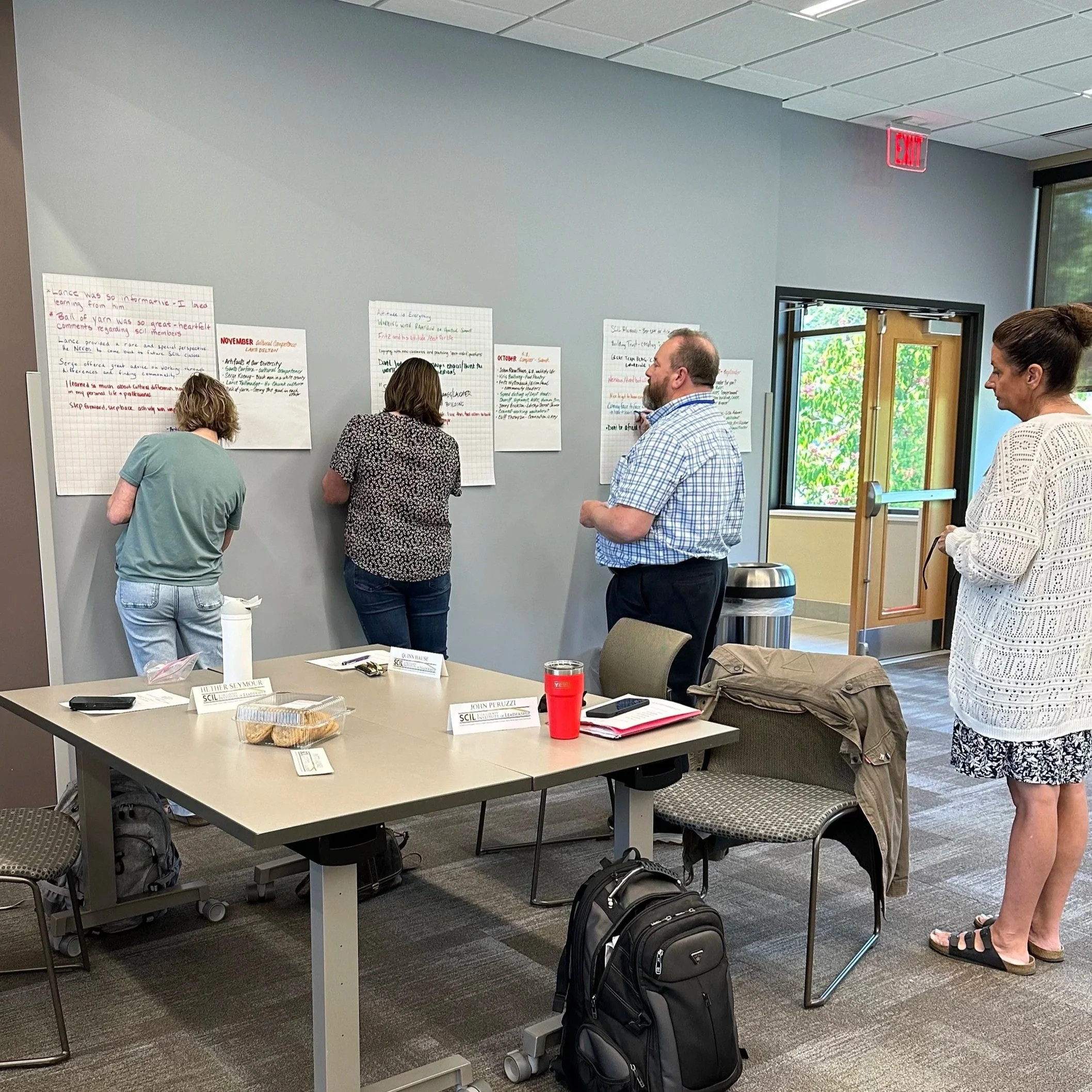
The Sauk County Institute of Leadership (SCIL) held its ninth and final session for the 2026 cohort on May 14th at the Baraboo City Hall Council Chambers.
The day began with a presentation by Paul Wolter, Executive Director of the Sauk County Historical Society. His presentation, “Check Out that Motor,” explored the dynamic history of tourism as a key economic driver in Sauk County. He highlighted the eight primary categories contributing to the region’s tourism industry: leisure, ecotourism, agritourism, heritage, adventure, alcohol tourism, sports tourism, and ethno-tourism. Following his presentation, Mr. Wolter led the cohort to the historic railroad depot, where he shared a curated collection of photographs and artistic depictions illustrating the depot’s evolution and discussed the railroad’s significant impact on the county’s development.
The cohort then engaged in a reflective session, reviewing the past eight months of programming. Participants discussed key learnings, personal growth, and takeaways, as well as the leadership principles they developed throughout the program.
The afternoon session began with “Board Boot Camp,” featuring a panel of nonprofit leaders: Fr. Dave Mowers of Trinity Episcopal Church in Baraboo; Robin Whyte, Executive Director of the Community Foundation of South-Central Wisconsin; and Julia Randles, Executive Director of the St. Clare Foundation. Drawing on their extensive experience serving on and working with nonprofit boards, the panelists shared insights on effective board service, emphasizing that while board involvement can be challenging, it is deeply rewarding when aligned with a meaningful mission.
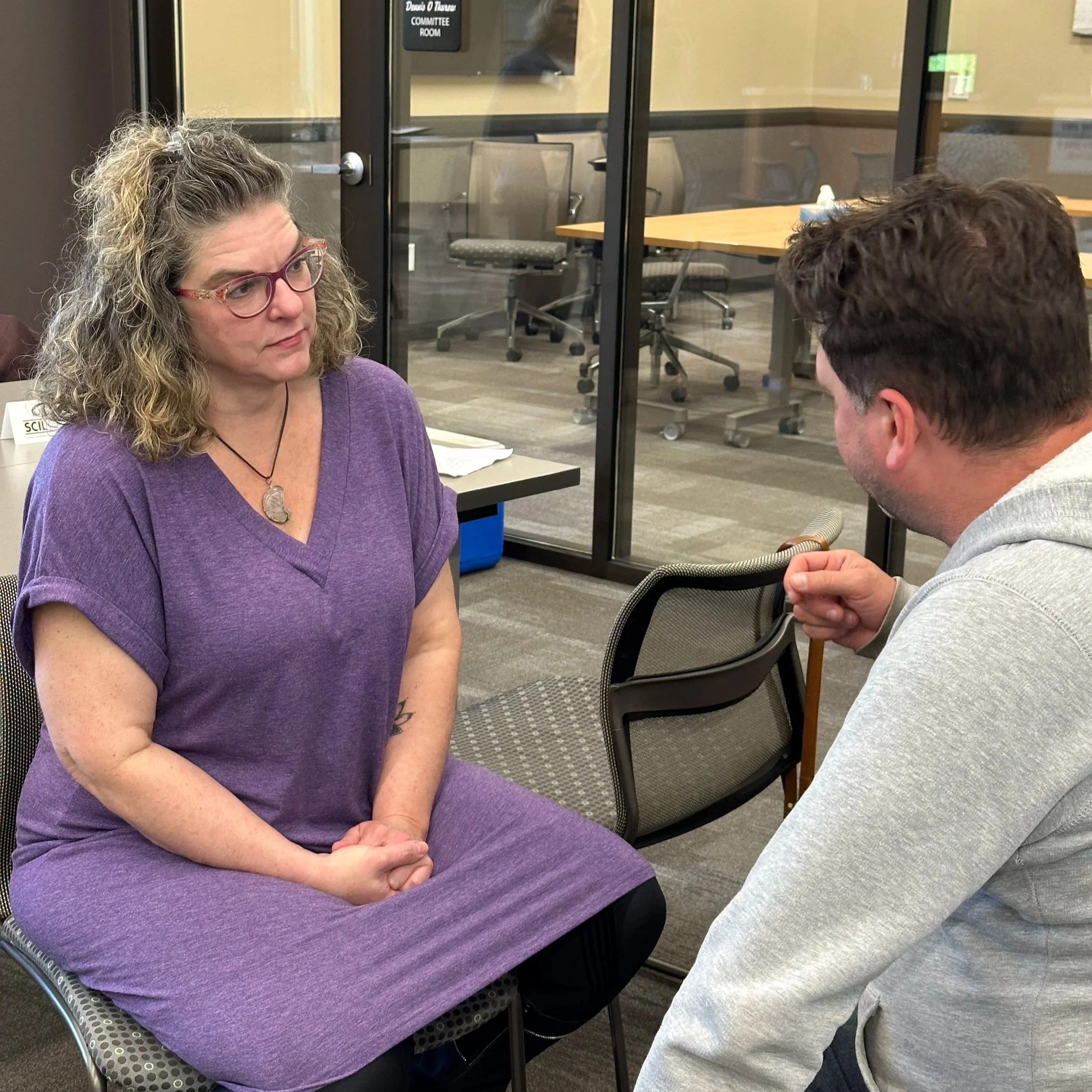
Dr. Ruthanne Chun, Chief of Large Animal Services at UW Veterinary Care, followed with a presentation on navigating difficult conversations. She explored both the practical and scientific aspects of human reactions in challenging interactions. Participants engaged in an exercise where they practiced remaining nonreactive during a “two-minute rant,” observing how maintaining neutrality can naturally de-escalate situations. This activity underscored the importance of composure and objectivity in managing conflict.
The session concluded with remarks from Dr. John McAuliffe, who shared lessons from his career in family medicine. He emphasized that relationships are the most valuable tool in leadership and that individuals fundamentally seek to be understood. He offered strategies for repairing strained relationships and maintaining balance, concluding with the insight, “Trust is the currency of leadership,” a fitting capstone to the nine-month SCIL experience.
Written by: Patti Jahnke and Jenise Anderson